
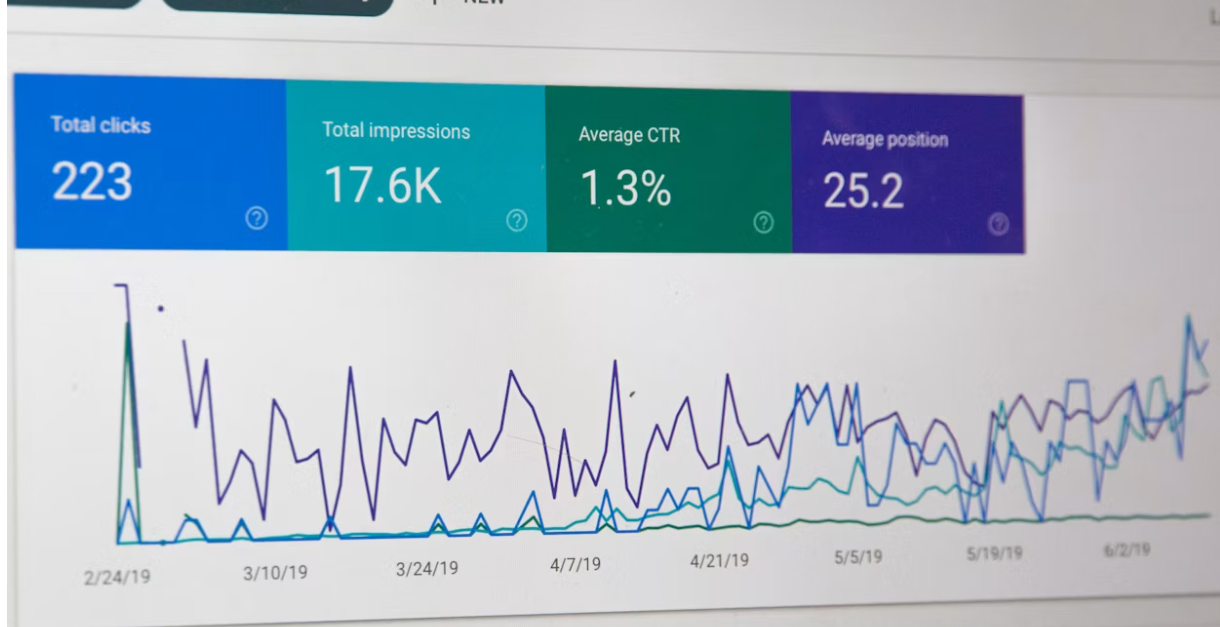

SEO in 2026 looks different from even two years ago. AI Overviews now answer a growing share of searches directly on the results page, tools like ChatGPT and Perplexity have become genuine discovery channels, and Google’s core ranking systems have gotten sharper at telling real expertise apart from mass-produced content. Over 65% of searches now end without a click at all.
None of that means SEO stopped working. It means the bar moved. This guide walks through what actually drives rankings in 2026 — from the fundamentals that never really change to the newer practice of optimizing for AI-generated answers — so you can build a strategy that holds up past the next algorithm update.
What Is SEO?
Search Engine Optimization (SEO) is the practice of improving a website so it ranks higher in organic (non-paid) search results, earning more visibility and traffic without paying for ads. It spans three broad areas:
- On-page SEO — content quality, keyword targeting, and page structure
- Technical SEO — crawlability, site speed, and how well search engines can access and understand your site
- Off-page SEO — backlinks, brand mentions, and external signals of authority
Google alone evaluates over 200 signals when deciding how to rank a page, but a much smaller set does most of the work. This guide focuses on those.
The 5 SEO Ranking Factors That Matter Most in 2026
1. Content Quality and E-E-A-T
Google’s quality framework — Experience, Expertise, Authoritativeness, and Trustworthiness (E-E-A-T) — isn’t a single score you can optimize directly, but it shapes how Google’s systems and human quality raters evaluate content. Pages that clearly demonstrate strong E-E-A-T signals have a notably higher chance of ranking in the top three results.
What this looks like in practice:
- Experience: First-hand accounts, original testing, screenshots, and specific process details (“after testing 15 tools over six months, we found…”) rather than repackaged information
- Expertise: Author bios with real credentials, consistent topical coverage, and citations from credible sources
- Authoritativeness: Recognition from other sites and sources in your field — mentions, citations, and links from relevant, trusted domains
- Trustworthiness: Accurate information, transparent sourcing, secure browsing (HTTPS), and clear site ownership
The throughline: Google is trying to answer “can we trust this source?” — not just “is this page relevant?” That question matters most for YMYL (Your Money or Your Life) topics like health, finance, and legal content, where the bar for trust signals is highest.
2. Search Intent Match
Even well-written content fails to rank if it doesn’t match what the searcher actually wants. Google evaluates whether a page satisfies the purpose behind a query, not just whether it contains the right words. There are four broad intent types:
| Intent Type | Example Query | What Ranks |
|---|---|---|
| Informational | “what is technical SEO” | Guides, explainers, definitions |
| Navigational | “Ahrefs login” | The brand’s own page |
| Commercial investigation | “best SEO tools 2026” | Comparisons, reviews |
| Transactional | “buy Ahrefs subscription” | Product/pricing pages |
Before writing anything, check what’s currently ranking for your target keyword — the format Google already favors (list, guide, product page, video) is a strong signal of the intent it’s rewarding.
3. Page Experience and Core Web Vitals
Site performance is a direct ranking signal, not just a tiebreaker. Core Web Vitals — Google’s metrics for loading speed, interactivity, and visual stability — carry real weight, and only roughly half of websites currently pass all thresholds. The most consequential recent change: Interaction to Next Paint (INP) replaced First Input Delay as the responsiveness metric in 2024, and it evaluates every interaction on a page, not just the first one. Sites with poor INP scores have seen significantly steeper traffic drops in recent core updates.
Practical priorities:
- Compress and lazy-load images
- Minimize JavaScript that blocks rendering
- Use a fast, reliable host and CDN
- Test regularly with Google’s PageSpeed Insights or Search Console’s Core Web Vitals report
4. Backlinks and Authority
Backlinks remain one of the most powerful ranking signals — the #1 organic result carries roughly 3.8x more backlinks than pages in positions two through ten. But the game has shifted decisively toward quality over quantity. Spammy, reciprocal, or paid link schemes are actively penalized; a single relevant, editorially-earned link from an authoritative site now outweighs dozens of low-quality ones.
What’s working in 2026:
- Digital PR — the most effective tactic according to recent SEO surveys, built around original research, data studies, and newsworthy content that earns organic press coverage
- Expert commentary — contributing quotes to journalists through platforms built for that purpose
- Linkable assets — comprehensive guides, free tools, and calculators that become reference resources others link to naturally
- Unlinked mention recovery — finding existing brand mentions without a link and reaching out to request one
5. Technical SEO Foundations
None of the above matters if Google can’t crawl, index, and understand your site in the first place. Core technical basics:
- XML sitemap — helps search engines discover and crawl your important pages efficiently
- Robots.txt — controls what search engines can and can’t access
- Schema markup (structured data) — helps search engines understand page content and can unlock rich results, FAQ snippets, and better AI-citation eligibility
- Mobile-first design — mobile is the primary version Google indexes and ranks; broken mobile UX suppresses rankings outright
- Clean URL structure and internal linking — helps both crawlers and users understand how your content relates
How to Build Topical Authority
One of the clearest shifts in 2026 SEO is the move from optimizing individual keywords to covering entire topics in depth. Google increasingly rewards sites that demonstrate consistent, comprehensive coverage of a subject rather than one-off articles chasing isolated search terms.
The pillar-and-cluster model:
- Choose a core topic based on real search intent (a “pillar”)
- Publish a comprehensive pillar page covering the topic broadly
- Create supporting “cluster” articles that go deep on specific subtopics
- Interlink the cluster pages back to the pillar, and to each other where relevant
This structure signals topical depth to search engines, distributes ranking authority across related pages, and — increasingly important — gives AI systems a clear, well-organized source to cite.
SEO for AI Search: What’s Changed
AI Overviews, ChatGPT, Perplexity, and Google’s AI Mode are now answering a meaningful share of queries directly, without a click. That’s pushed many purely informational searches toward zero-click outcomes. But here’s the critical data point: 97% of AI Overview citations come from pages already ranking in the top 20 organic results. Traditional SEO isn’t being replaced by AI search — it’s becoming the prerequisite for it. Brands cited in AI Overviews see meaningfully higher organic and paid click-through rates than those left out.
This has given rise to Answer Engine Optimization (AEO) — structuring content specifically to earn citations in AI-generated answers:
- Lead with a direct, concise answer (50–100 words) before expanding into detail
- Use clear headings, bullet points, and tables that AI systems can extract cleanly
- Include well-formatted FAQ sections addressing the specific questions people ask
- Build entity authority — consistent brand mentions and structured data (Organization, Person, Author schema) help AI systems associate your site with your expertise
Some analysts project a meaningful share of organic traffic shifting toward AI chatbot interfaces in the coming years, which makes AEO less a niche tactic and more a standard part of any 2026 content strategy.
Common SEO Mistakes to Avoid
- Mass-produced, low-oversight AI content. Google’s spam policies now specifically target scaled content abuse. Sites publishing AI-generated content at volume without real editorial oversight have seen significant de-indexing; sites demonstrating genuine expertise — AI-assisted or not — have seen ranking improvements. The differentiator isn’t whether AI helped write it; it’s whether a real expert stood behind it.
- Keyword stuffing. Google explicitly states there’s no magic keyword density target. Write for the reader; work the topic in naturally.
- Ignoring technical health. Beautiful content on a slow, unindexed, or broken site won’t rank — fix crawlability and Core Web Vitals before investing heavily in new content.
- Chasing backlink volume over relevance. A handful of links from real, topically-relevant, authoritative sources beats a large volume of low-quality ones — and low-quality link schemes now carry real penalty risk.
- Treating SEO as a one-time project. Google makes thousands of minor algorithm adjustments a year and several major updates. A page that ranked well 18 months ago and hasn’t been touched since is a page quietly losing ground.
A Practical SEO Roadmap: Where to Start
If you’re building an SEO strategy from scratch, work through this sequence — it mirrors how Google’s own systems filter pages, and building out of order means building on a shaky foundation:
- Fix technical blockers first. Confirm your site is indexable, passes Core Web Vitals, and has no major duplicate-content issues.
- Match intent and build E-E-A-T-driven content. Research what’s actually ranking for your target terms, then create something more useful, more current, or more experience-backed than what’s there now.
- Build authority through links and brand. Once the foundation and content are solid, invest in digital PR, expert contributions, and linkable assets to build durable authority.
- Structure for AI citation. Format key pages with direct answers, clear headings, and FAQ schema so both traditional search and AI answer engines can surface and cite them.
- Measure and iterate monthly. Track rankings, organic traffic, and — critically — conversions, not just position. Rankings that don’t convert aren’t the goal; business outcomes are.
Frequently Asked Questions
What is the most important SEO ranking factor in 2026? There’s no single factor that dominates — Google’s systems weigh content quality and E-E-A-T, intent match, page experience, and backlink authority together. The strongest strategy is making a genuinely better, more trustworthy page than what currently ranks, rather than optimizing one isolated signal.
Is SEO still worth it with AI Overviews and AI search growing? Yes. Since the large majority of AI Overview citations come from pages already ranking well organically, strong traditional SEO has become a prerequisite for AI visibility rather than a separate, competing effort.
How long does SEO take to work? Most sites see meaningful ranking movement within 3–6 months of consistent, quality-focused work, though competitive terms and newer sites can take longer. SEO compounds — the effect of sustained effort accelerates over time rather than staying linear.
Do backlinks still matter in 2026? Yes, backlinks remain one of Google’s strongest ranking signals. What’s changed is the emphasis: a small number of relevant, editorially-earned links from authoritative sources now outweighs a large volume of generic or spammy ones.
Is AI-generated content bad for SEO? Not inherently — but AI content published at scale without genuine expert oversight is actively targeted by Google’s spam policies and has led to mass de-indexing for some sites. Content that demonstrates real expertise and firsthand experience performs well regardless of what tools helped produce the first draft.
What is Answer Engine Optimization (AEO)? AEO is the practice of structuring content — direct answers, clear formatting, FAQ schema, strong entity signals — specifically to earn citations in AI-generated answers from tools like Google AI Overviews, ChatGPT, and Perplexity, alongside traditional organic ranking.
Final Takeaway
SEO in 2026 rewards the same thing it always has, at a higher bar: being the clearest, most trustworthy, most useful answer to a real question — technically sound, genuinely helpful, and backed by real expertise. AI search hasn’t replaced that; it’s raised the stakes for getting it right, since the pages winning AI citations are overwhelmingly the same ones already winning organic rankings. Build the foundation first, then layer in authority and AI-readiness on top of it.






Leave a Comment